
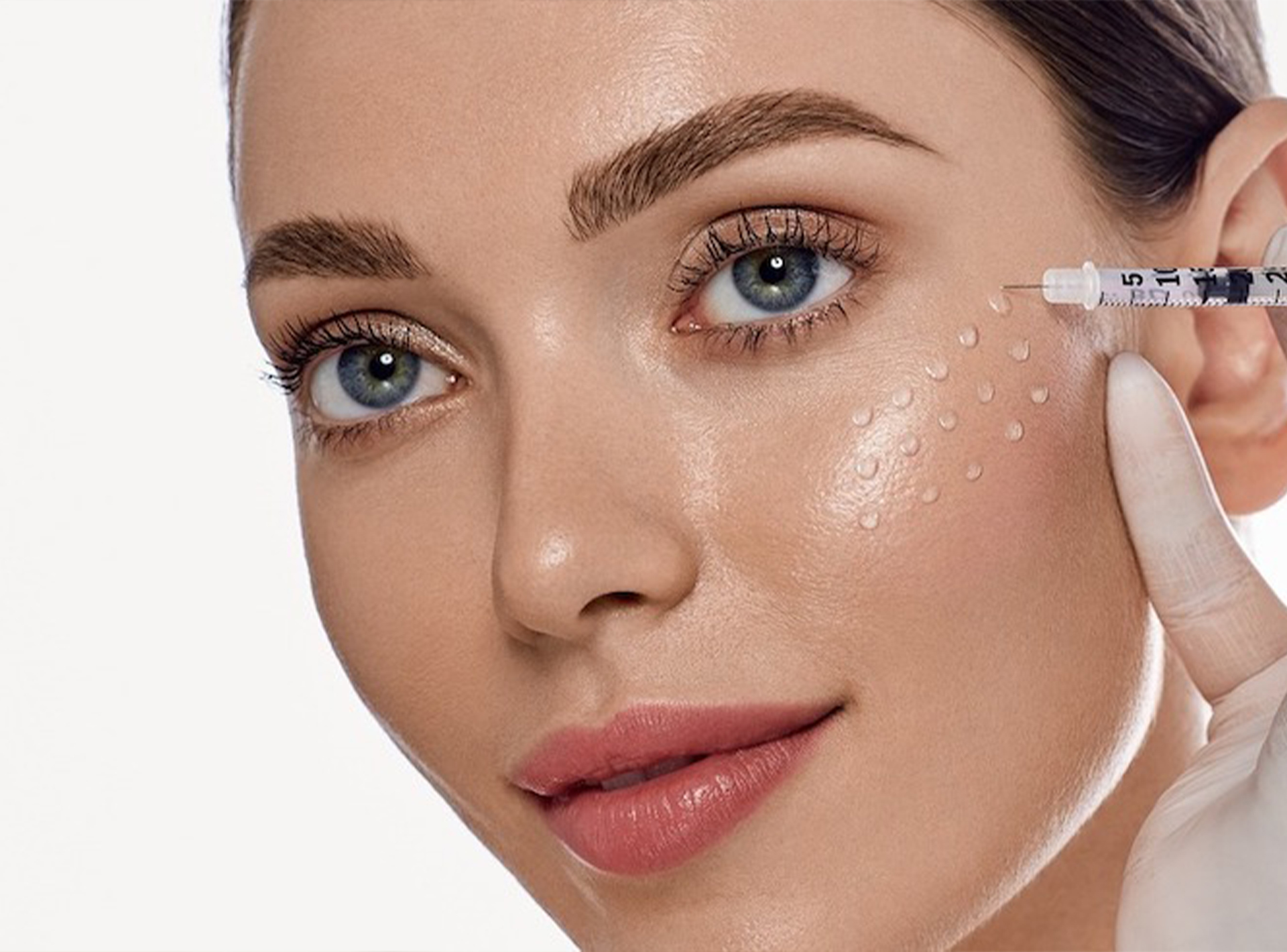
Mesotherapy is a non-surgical treatment that nourishes the skin and scalp from within. As a specialist in Plastic, Reconstructive and Aesthetic Surgery, I perform it at my clinic in Nişantaşı, Istanbul.
What is mesotherapy?
Mesotherapy is the delivery of vitamins, minerals, amino acids, hyaluronic acid and antioxidants into the skin with very fine needles. Creams stay on the surface of the skin; with mesotherapy these ingredients reach the layer where they are needed. The skin becomes hydrated and looks more vibrant.
Why does the skin need mesotherapy?
Sun, stress, smoking and age make the skin lose moisture, elasticity and radiance. Mesotherapy replaces what the skin has lost.
Which mesotherapy products do you use?
- NCTF (the ‘Paris glow’): contains more than 50 vitamins, minerals and coenzymes. It brings radiance to dull, dehydrated skin after the first session
- Salmon DNA: contains polynucleotides derived from salmon. It supports cell renewal; I prefer it for fine wrinkles, dark spots and loss of elasticity in people over 30
- Juvederm Skinvive (skin booster, formerly Volite): Allergan’s FDA-approved, hyaluronic acid-based product. It hydrates the skin for about 6 months and reduces fine lines; the difference shows even after one session
What is a skin booster (Juvederm Skinvive)?
Juvederm Skinvive is a hyaluronic acid skin booster. I deliver it into the skin in very small amounts at many points; the skin stays hydrated, radiant and smooth for about 6 months. Unlike filler, it does not add volume or change the shape of the face. A single session is enough.
Which mesotherapy is used for which skin concern?
- Dull skin: NCTF
- Wrinkles and loss of elasticity: Salmon DNA
- Dehydration and fine lines: Juvederm Skinvive (skin booster)
- Skin prone to dark spots: Glutathione and vitamin C blend
- Acne and acne scars: Peptide and amino acid blend
Can mesotherapy help with hair loss?
Yes, I perform hair mesotherapy. I deliver blends of vitamins, minerals and peptides into the scalp with very fine needles; the hair roots are nourished, shedding decreases and the hair grows stronger. I usually plan 4-6 sessions, every 2-3 weeks. When needed, I combine it with PRP.
How many mesotherapy sessions are needed?
- Classic mesotherapy: every 2-3 weeks, 3-6 sessions in total
- NCTF and salmon DNA: every 3 weeks, 3-4 sessions
- Juvederm Skinvive: a single session
We repeat maintenance sessions every 6 months.
When does mesotherapy start to work?
Radiance is noticeable within 24 hours, and the full effect settles in 7-10 days.
Does mesotherapy hurt?
I apply a numbing cream before treatment; because very fine needles are used, you only feel a slight prick.
What should I pay attention to after mesotherapy?
Mild redness and small dots may appear on the skin; they usually fade within 1-2 hours. You can return to social life the same day. I recommend drinking plenty of water.
Why does it matter that mesotherapy products are original?
Because mesotherapy is injected directly into the skin, product quality determines the result. I use only original, CE-approved products and pay attention to storage conditions such as the cold chain and protection from light. A product stored incorrectly loses its effect and carries a risk of complications.
What is the difference between mesotherapy and Hydrafacial?
Hydrafacial cleanses and hydrates the skin from the surface. Mesotherapy delivers vitamins and hydrating ingredients into the skin with a needle. In most patients I use both within the same plan.
Which treatments is mesotherapy combined with?
The result is more noticeable when I plan it together with Hydrafacial, Scarlet X, Clear + Brilliant, PRP and laser treatments. For anti-ageing, I often combine mesotherapy, Scarlet X and PRP.
Who should not have mesotherapy?
I do not perform mesotherapy if there is an active infection or cold sore in the treatment area, or in people allergic to the product’s ingredients.
We decide on the right plan for you together at the consultation. To book an appointment, please reach us through the contact page.
Last updated: